Operations
That Phone Call Wasn't Free
The hidden cost of reactive operations and why earlier signals change everything.
February 2, 2026•7 min read•By Jason Reibel
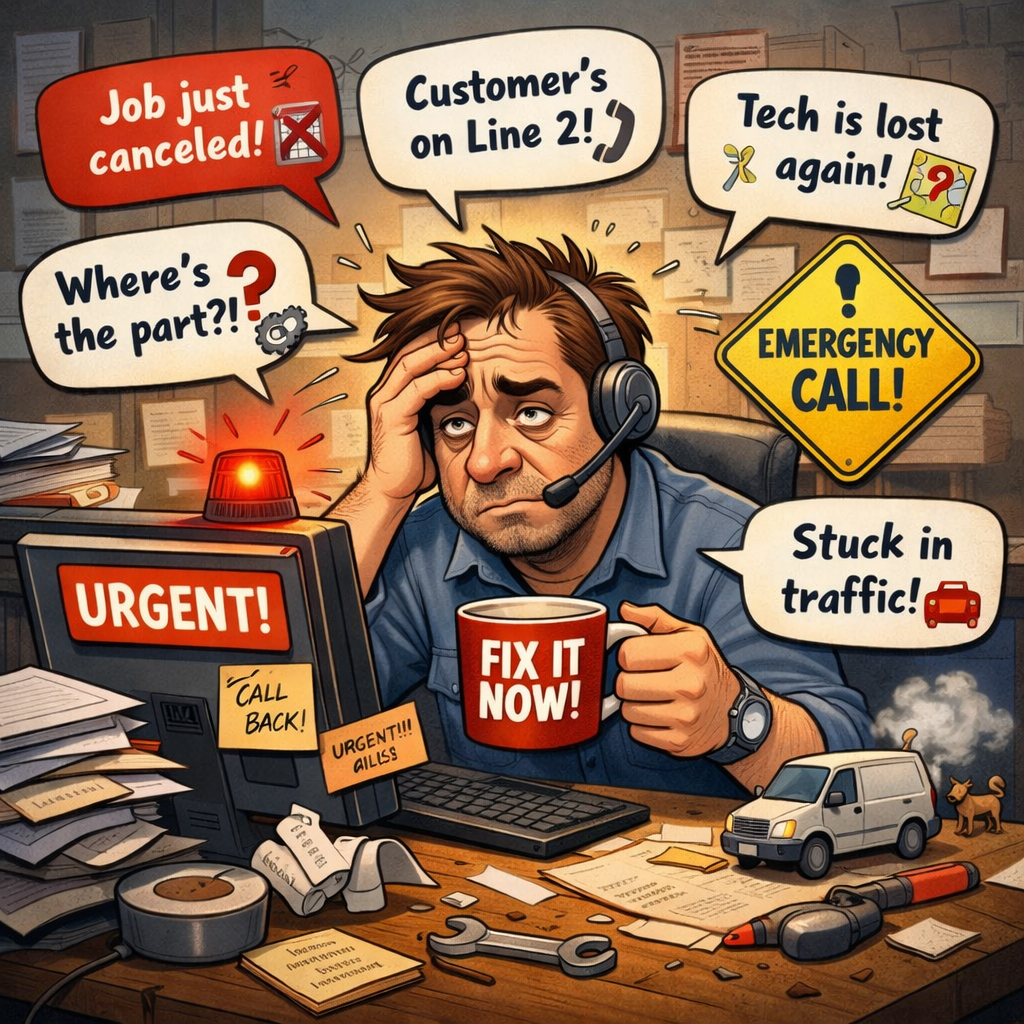
Most service businesses don't think of phone calls as a cost.
They're just part of the job. The phone rings. Someone answers. You deal with it.
Normal.
But "normal" doesn't mean cheap.
An Inbound Phone Call Isn't Free. Even When It Feels Like It Is
Once you strip away how casual it feels, an inbound operational phone call usually includes:
- Someone stopping what they were already doing
- Context switching
- Pulling up an account, job, or location
- Answering questions
- Coordinating next steps
- Sometimes calling someone else
- Sometimes calling the customer back
Even if the call itself only lasts a few minutes, the interruption doesn't.
When you factor in labor, disruption, and follow-ups, an inbound operational call typically costs $5–$15 per call.
Most Service Calls Aren't "One and Done"
Most operational calls aren't just "checking in." They're usually:
- Something isn't working
- Something is late
- Something needs attention
- Something feels urgent
Which means the call often triggers:
- More calls
- A schedule change
- A technician or vehicle being rerouted
- A scramble
So the real cost isn't the phone call. It's what the phone call forces you to react to.
The Real Expense Is the Reaction
A reactive call usually means:
- You weren't planning for it
- You weren't already nearby
- You weren't bundling it with other work
So one phone call can turn into:
- An unplanned site visit
- Extra travel time
- Lost efficiency
- Overtime
- Or a worse day for everyone involved
That's where money leaks out. Quietly. No line item. No invoice labeled "reactive operations tax." But every service business pays it.
Reactivity Frustrates Employees Too
This part often gets overlooked. Reactive operations don't just cost money. They wear people down.
For office staff, it means:
- Constant interruptions
- Juggling half-finished tasks
- Stress from trying to "fix it now"
For field teams, it means:
- Sudden reroutes
- Rushed jobs
- Longer days
- Feeling like they're always behind
Even good employees start to feel like they're failing. Not because they are, but because the system keeps throwing curveballs.
Over time, that frustration turns into burnout, lower morale, and higher turnover. None of that shows up on a P&L line item either. But it's real.
A Simple Example. That Adds Up Fast
Let's keep this conservative.
- 10 reactive calls per day
- $10 per call in labor and disruption
- 250 working days per year
That's $25,000 per year. Before travel costs, vehicles, or overtime even enter the picture.
Most businesses deal with more than 10. And that number doesn't include the human cost.
Why No One Notices This Cost
Because it's spread out. A few minutes here. A rushed decision there. A schedule tweak somewhere else.
Nothing catastrophic. Just constant drag.
It feels normal. Until you step back and actually do the math.
Earlier Signals Change the Economics and the Experience
Proactive operations don't just save money. They make days better.
If you know something is trending toward a problem before it becomes urgent:
- No panic call
- No interruption
- No emergency response
The work still gets done. Just on your terms.
That turns a reactive call plus inefficient response into planned work added to an existing schedule. Same work. Different stress level.
This Isn't About Eliminating Phone Calls
Phone calls aren't the enemy. Surprise phone calls are.
The goal isn't silence. The goal is fewer emergencies.
When teams already know what's coming:
- Calls become confirmations, not alarms
- Scheduling becomes planning, not scrambling
- Field teams stay productive instead of reactive
That's how service businesses mature. Not by working harder. But by reacting less.
The Quiet Advantage
Most businesses never "fix" reactivity. They just absorb it.
The ones that scale and keep good people start asking a single question: "What do we need to know earlier so this doesn't become urgent?"
That single question changes everything.
Get the Visibility You Need Earlier
Real-time monitoring means you know what's coming before it becomes urgent. Fewer calls. More proactive operations. Better days for your team.
Schedule a Demo